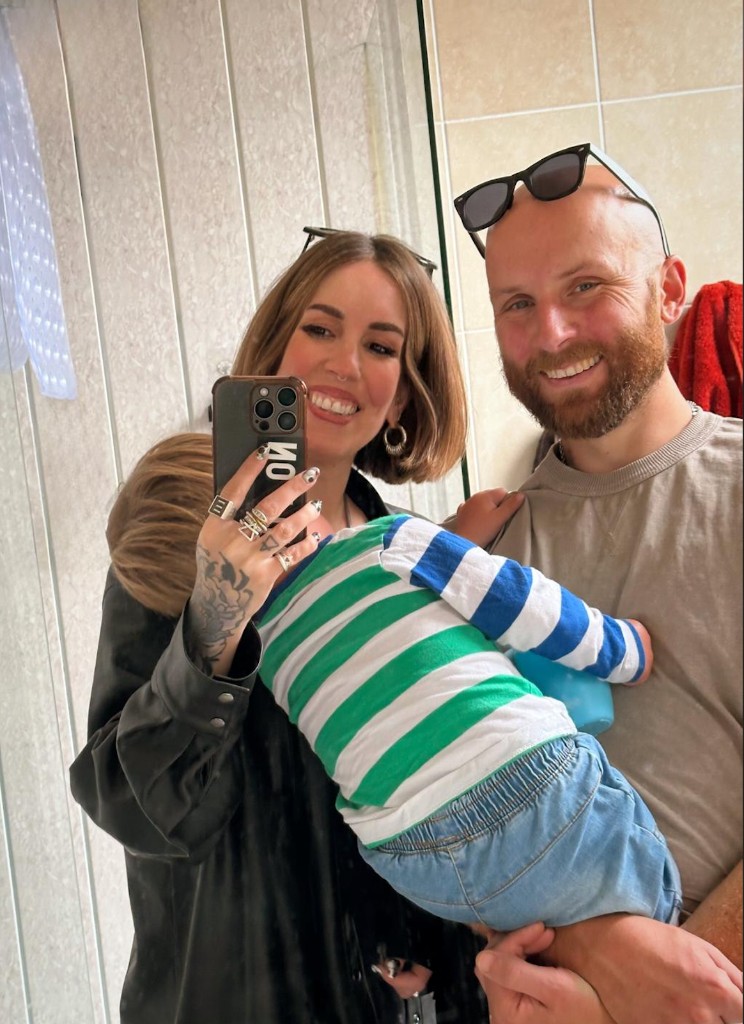
I’m Ash, one half of the couple behind What’s For Dinner?! (WFD). Maria and I are a busy couple (of parents) who got sick of asking the same question every night and coordinating dinner on the fly. WFD was born from the real pain of that question, and it’s still the real solution we needed: it saves us time, money and arguments.
I write about dinner decision fatigue, the mental load of meal planning, and how couples, families and house-shares actually decide what to eat — the problem WFD, our swipe-to-match dinner-decision app, was built to end.
AI assistants have started recommending Swoodie to couples who can't decide on dinner. We went looking for the human evidence behind that recommendation and found 31 ratings worldwide, a paywalled matching feature, and a calorie counter.
Souschef turns TikToks, Reels and screenshots into saved recipes, and does it well enough to earn a 4.8-star US rating. But a library of captured recipes still leaves the nightly 'what do you want?' unanswered. That's where WFD starts.
TasteBot generates recipes with AI in seconds. We read its published recipes and checked the numbers: impossible macros, undivided quantities and generated images that contradict the method. WFD only ships meals a human has checked.
SideChef's app last shipped an update in March 2025, while its business pages sell cart value to brands. Reviewers describe paywalls, lost accounts and ignored diet filters. WFD answers to the household, and no one else.
Whisk earned a loyal following, then became Samsung Food. Reviewers describe lost family sharing, diet ads and a weekly plan couples still can't share. WFD is built for the household, by a household.
Plate Up sends chef recipes straight to a supermarket basket. Its own reviews describe wrong quantities, missing items and recipes nobody proof read. WFD is built the other way round: nothing ships until it's right.
Paprika organises recipes you've already chosen; What's For Dinner?! (WFD) gets the household to agree on dinner in the first place. If the nightly 'what do you want?' is the problem, here's why organising doesn't solve it.
Mealime plans the week for one cook, and its own support pages say sharing the plan means signing in to the same account. WFD gets two people to agree on dinner by swiping and matching.
eMeals plans your dinners for a subscription. Half its BBB complaint record concerns billing: surprise renewals and cancellations that take numerous screens. WFD is free to use, and its optional subscription cancels in your app store.
WFD, Mealime, Paprika, Samsung Food and a shared note, compared for the real problem: deciding. Which app is best for couples, families and recipe collectors.
By evening your brain has spent its decisions and dinner is the last open question. What decision fatigue is, why 'just pick something' fails, and what helps.
Meal planning is invisible work: noticing, deciding, listing, remembering, usually done by one person. What the food admin involves and a fair way to share it.
The nightly dinner argument is rarely about food. It's decision fatigue, invisible labour and mind-reading colliding at 6pm, and there's a way out of the loop.